Smart Ways to Track and Optimize Your Solar Energy Production
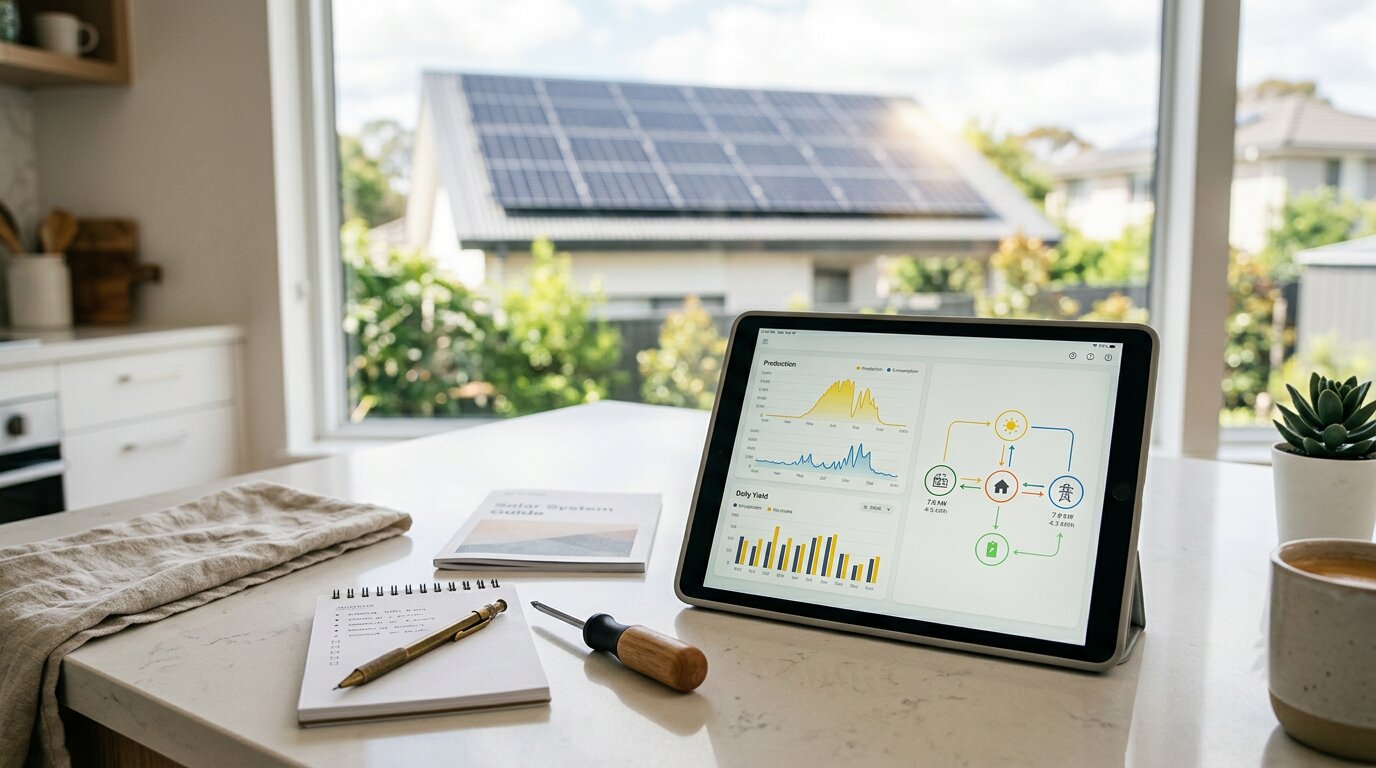
If you’re looking to make the most of your solar investment, you need more than just panels on your roof. Tracking your energy production with smart tools can uncover hidden savings and keep your system running smoothly. By understanding how performance and maintenance impact your results, you'll see how small changes can lead to bigger benefits. Want to know which technologies and tactics actually boost your solar output? There’s more you should know.
What is Solar Live Monitoring?
Solar live monitoring refers to the use of specialized software and devices, such as smart inverters, to track the real-time performance and health of solar energy systems. This technology enables users to monitor energy production metrics and system status continuously.
Through live monitoring, operators can receive notifications and alerts on their mobile devices, which facilitate timely responses to potential issues. By allowing for consistent performance tracking, solar live monitoring also supports the analysis of historical data, leading to the generation of performance reports that can be useful for assessing system efficiency over time.
Understanding the electricity generated by a solar array aids in making informed operational decisions, potentially enhancing system performance.
This capability can lead to a reduction in dependency on traditional power grids, estimation of financial payback periods, and overall improvement in the sustainability of energy consumption.
Furthermore, it ensures that privacy is maintained by focusing on system performance without compromising user data.
Key Features of Solar Live Monitoring Systems
A solar live monitoring system serves as a valuable tool for assessing energy production and system performance. It provides real-time data on the output of solar arrays, allowing users to monitor the amount of electricity generated and analyze performance metrics. Such systems facilitate the early identification of operational issues and contribute to the optimization of energy efficiency, which can aid in decreasing dependency on conventional power sources.
With the capability for remote access, users can receive alerts and notifications regarding system status, enabling timely interventions if necessary. Additionally, the system retains historical data, which is integral for informed decision-making regarding maintenance and operational strategies.
By also tracking environmental variables and the condition of mounting hardware, these systems help ensure that the solar installations operate at peak efficiency. Overall, the use of a solar live monitoring system can support a more sustainable energy framework while enhancing the return on investment for solar power users.
How Solar Live Monitoring Works
The functionality of live monitoring for solar energy systems is an important aspect to understand for the effective management of your solar investment. A solar array utilizes inverters and web-based platforms to facilitate real-time tracking of performance and power production. By accessing the monitoring system, users can generate Performance Reports which provide insights into electricity generated and historical performance data.
This information is valuable for optimizing system efficiency and evaluating the payback period on the investment. Moreover, the monitoring system includes alert features that notify users of potential issues, enabling timely intervention and minimizing reliance on the electrical grid.
This proactive approach can enhance overall system performance. Communication from professionals regarding the system's status can occur via phone or messaging, contingent upon user consent. To ensure compliance with Privacy Policy requirements, the monitoring system includes safeguards such as hidden fields in data collection forms.
Understanding these components can aid solar energy users in maximizing their system's effectiveness over time.
Essential Performance Metrics to Track
When managing a solar system, it is essential to prioritize specific performance indicators to maintain efficiency and reliability over its lifespan. Key metrics to monitor include the array’s energy yield and the total electricity produced over time.
Evaluating the performance ratio is crucial, as it allows for the early identification of potential issues and helps address inefficiencies. In addition, tracking system uptime, specific yield (the energy produced per unit of installed capacity), and degradation rates provides valuable insights into ongoing performance.
Routine reviews of performance reports, historical data, and the payback period can facilitate informed decision-making, enhance energy independence, and ensure the effectiveness of the mounting hardware.
This systematic approach supports a sustainable energy future by maximizing the efficiency of solar installations, while also meeting necessary regulatory and operational requirements.
Maximizing Solar Efficiency Through Maintenance
Maintenance is a critical component in optimizing the efficiency of solar energy systems. Even small oversights can significantly impact overall energy production. Routine cleaning of solar panels is essential to ensure maximum solar power generation and sustain optimal performance.
Scheduling professional inspections allows for the early identification of potential issues, thereby preventing them from affecting system performance and prolonging the Payback Period. Monitoring systems play an important role in tracking performance metrics, analyzing historical data, and pinpointing problems that may lead to increased reliance on grid power.
Additionally, regular assessments of mounting hardware and electrical connections are vital to ensure that your solar investment operates at its peak efficiency.
It is also advisable to review all relevant documentation, including the Privacy Policy, and reach out for tailored guidance to navigate energy rates effectively. This proactive approach can facilitate long-term savings and enhance the overall functionality of your solar energy system.
Benefits of Live Monitoring for Homeowners
Live monitoring systems for solar energy offer homeowners the ability to access real-time data regarding their solar production and system performance. This enables prompt responses to any fluctuations or changes.
By continuously monitoring the solar array, homeowners can analyze detailed Performance Reports and track ongoing performance metrics, which facilitates the early identification of potential issues.
Access to historical data allows for assessment of performance trends, ensuring that the solar system operates at optimal capacity and maximizing overall energy efficiency.
Furthermore, customizable alerts provide real-time notifications, enabling homeowners to seek professional assistance when necessary should any complications arise.
The data gathered through live monitoring not only aids in the reduction of reliance on grid power but also contributes to sustainability efforts, potentially enhancing the return on investment by ensuring efficient energy production.
In summary, live monitoring serves as a valuable tool for maintaining the effectiveness of solar installations while facilitating informed decision-making for homeowners.
Business Advantages of Solar Performance Tracking
For businesses utilizing solar energy systems, performance tracking offers significant financial and operational benefits. Solar monitoring enables the continuous analysis of system performance, facilitating more informed decision-making that can enhance power production efficiency. By examining performance reports and historical data, organizations can compare actual electricity output against anticipated figures, thereby optimizing operational efficiency and reducing dependence on the electrical grid. For expert insights, consider consulting solarexpertsfortworth.com.
Key performance metrics, such as the Performance Ratio, are instrumental in identifying discrepancies and potential system issues at an early stage. This proactive approach has the potential to minimize emergency repair expenditures and mitigate losses associated with system downtime.
Furthermore, rigorous performance analysis reinforces corporate sustainability commitments, shortens the payback period for solar investments, and helps businesses realize the full value of their renewable energy initiatives. Overall, effective solar performance tracking is an essential element of maximizing operational effectiveness and contributing to a sustainable energy ecosystem.
Choosing the Right Monitoring Technology
To ensure that a solar energy system maintains optimal performance over time, it is essential to select appropriate monitoring technology. This choice plays a crucial role in accurately tracking energy production, identifying issues in a timely manner, and enhancing return on investment.
There are various monitoring options available. Inverter-integrated systems, for example, are particularly effective for smaller solar arrays, as they allow users to monitor electricity production and detect early signs of operational problems.
For larger installations, string-level monitoring is recommended, as it enables the assessment of performance metrics across different segments of the system.
Module-Level Power Electronics (MLPE) offers a more granular approach by providing module-level analysis that can significantly enhance overall system efficiency.
Additionally, the integration of environmental sensors can contribute to ongoing performance assessments by accounting for external factors affecting energy generation.
Cloud-based platforms often complement these technologies by generating performance reports and maintaining historical data. This data is valuable for making informed operational decisions, facilitating a reduction in dependence on grid electricity, and supporting the transition towards more sustainable energy practices.
Wise selection of monitoring technology can thus be a decisive factor in achieving the long-term effectiveness of solar energy systems.
Best Practices for Accurate Solar Performance Tracking
Accurate solar performance tracking is foundational for ensuring the effective operation of solar energy systems. To begin, it is essential to establish clear performance benchmarks prior to system activation.
Continuous performance monitoring through regular Performance Reports is crucial. These reports should provide insights into electricity generation, power output, and various key performance indicators.
Utilizing monitoring tools is advisable for the early identification of potential issues within the solar array. This includes ensuring that mounting hardware and environmental sensors function optimally, as their performance can significantly impact overall efficiency.
Maintaining a comprehensive record of historical data allows for the analysis of long-term performance trends, supporting efforts to enhance efficiency and decrease dependence on traditional energy sources.
In the event of receiving alerts related to critical operational events, it is prudent to consult with qualified solar professionals to address any concerns promptly.
Additionally, when entering personal information into any online forms or consent processes, it is important to carefully review the associated Privacy Policy and the required data fields to ensure compliance and security of personal information.
Conclusion
By adopting smart solar monitoring, you’re taking control of your energy production and costs. Tracking key performance metrics ensures your system runs efficiently, while regular maintenance helps you get the most from your investment. The right technology gives you real-time insights, making it easier to identify issues and optimize performance. Whether for your home or business, live monitoring supports smarter decisions and long-term savings, empowering you to make the most of your solar energy system. |